Ignoring early sewer line warning signs in Minneapolis can turn a manageable clog or small crack into a messy backup, property damage, and much higher repair costs. When you notice gurgling drains, repeated multi-fixture clogs, sewage odors, or soggy patches in the yard, a professional inspection is the fastest way to confirm what’s happening and prevent bigger problems.
Most sewer problems don’t start with a dramatic flood—they start with small, easy-to-miss clues. A toilet that bubbles after you run the sink. A shower that drains slower than it used to. A faint odor in the basement that seems to come and go. In a city like Minneapolis, where many neighborhoods have older homes and mature trees, those signals can mean your main sewer line is struggling.
If you’ve been searching for sewer line repair Minneapolis, you’re probably trying to answer a simple question: “Is this just a clog… or something bigger?” This guide breaks down the warning signs you shouldn’t ignore, what they usually mean, and what a repair process typically looks like so you can make a confident decision before the situation escalates.
The earliest sewer line warning signs usually show up as changes in drainage, sounds, or odors. Because your sewer line connects multiple fixtures, problems often affect more than one drain—especially when the issue is in the main line rather than a branch line under a sink.
Here’s what to watch for in Minneapolis homes and small commercial properties:
If you’re unsure whether the issue is local to one fixture or part of a larger system problem, a Minneapolis-focused plumbing team can help narrow it down quickly. You can start with local service information on plumbing in Minneapolis and explore broader support through residential plumbing services.
Gurgling drains happen when air can’t move freely through the plumbing system because wastewater flow is partially blocked. When water tries to pass a restriction—like grease buildup, debris, tree roots, or a shifted joint—air gets pulled or pushed through the nearest opening (often a toilet bowl or sink trap). That’s the bubbling or “glug-glug” sound you hear.
One-off gurgling can happen occasionally, but repeated gurgling—especially alongside slow drains—often points to a larger blockage. At that stage, professional diagnostics and cleaning options like sewer drain cleaning are typically safer and more effective than repeated plunging or harsh chemicals.
DIY chemical drain cleaners can be risky in older systems and may not reach a mainline obstruction. If the gurgling keeps coming back, it’s a sign you’re treating the symptom, not the cause. A technician can locate the problem using inspection tools and recommend a repair path that fits the actual condition of the line.
Multiple fixtures clogging together usually means the main sewer line is restricted. A single sink clog is often localized—hair, soap scum, food waste, or a small blockage in a branch line. But when the kitchen sink, toilet, and tub all seem slow or back up in a short window, the common link is the main line.
Common Minneapolis-area causes include:
If your home is showing system-wide drainage changes, it’s a good time to contact a service plumbing professional who can run a camera inspection and confirm whether you’re dealing with a cleanable blockage or pipe damage.
Persistent sewage smells often indicate that wastewater or sewer gases aren’t being contained or vented properly. Sometimes the cause is simple (like a dry floor drain trap), but when odors coincide with slow drains, gurgling, or yard saturation, it’s more likely tied to a sewer line issue.
From a safety standpoint, sewage exposure can present health concerns because wastewater may contain harmful pathogens. The EPA notes that sanitary sewer overflows can be a public health concern, which is why prompt attention matters when you suspect a backup or leak. For context, see the EPA’s overview of sanitary sewer overflow FAQs: EPA guidance on sanitary sewer overflows.
In Minneapolis specifically, it’s also helpful to understand responsibility lines between public and private infrastructure. The City of Minneapolis provides guidance on what to do when you have a sewer issue and how reporting works: City of Minneapolis sewer issue guidance.
If odors are strong or you see any sign of sewage backup, avoid contact with contaminated water and consider basic exposure precautions. The CDC offers practical guidance for people who may handle sewage or wastewater: CDC guidance on handling wastewater exposure.
For repairs and leak diagnostics, a team experienced with plumbing repairs can identify the source without unnecessary digging by using camera inspections and targeted testing.
Unexpected soggy patches or settling areas can be a sign of an underground sewer leak. When a sewer line cracks or separates at a joint, wastewater can seep into surrounding soil. Over time, that moisture can soften the ground, create depressions, or produce unusually green growth in a narrow strip that follows the sewer path.
Because the surface symptoms can look like ordinary drainage problems, the fastest way to confirm the cause is a camera inspection. A detailed sewer inspection helps pinpoint damage type (crack vs. collapse vs. root intrusion) and lets you plan repairs with fewer surprises.
For property managers or businesses, similar issues can impact multiple tenants or units, especially where lines are shared. If you’re responsible for a facility or multi-unit building, partnering with a team that handles commercial plumbing helps ensure repairs prioritize safety, continuity, and code-aware workmanship.
Tree roots can enter older sewer lines through tiny cracks and joints, then expand into blockages and fractures. Minneapolis neighborhoods with mature trees and older pipe materials (clay tile, cast iron) are especially prone to root intrusion. Roots naturally seek moisture, and sewer lines are an obvious target.
Once roots get inside, they catch debris and restrict flow. Over time, the pressure can widen cracks, separate joints, or cause sections to fail. The repair approach depends on how far the damage has progressed—sometimes cleaning and rehabilitation are enough, while other cases require replacement of a damaged section.
Modern techniques may reduce how much digging is needed, depending on the line’s condition and accessibility. If you want a local team with Minneapolis-specific experience, explore Riser Water’s expert plumbing services in Minneapolis and their regional coverage on the Minnesota service area page.
A typical sewer repair starts with inspection, then moves into the least invasive fix that solves the real problem. In practical terms, most sewer line repair workflows include:
Depending on severity, a plumber might recommend clearing the line first, then re-scoping it to see whether the pipe walls are intact. In cases of cracks, separations, or recurring root intrusion, trenchless or sectional repair may be considered. If the line is collapsed or severely deteriorated, replacement might be the safest long-term option.
If you’re ready to get a professional opinion and a clear plan, you can request help through the contact page or start with a free quote to understand likely scope and cost ranges.
Minneapolis sewer line conditions vary by neighborhood, pipe age, and soil movement, so local experience matters. Riser Water supports property owners across Minneapolis and Hennepin County, including nearby communities such as St. Louis Park, Richfield, Golden Valley, and Edina. If you’re trying to determine whether your issue is in the city system or your private lateral, the City of Minneapolis sewer issue guidance is a helpful reference—then a camera inspection can confirm what’s happening on your property.
Sewer line problems tend to worsen because the forces causing them—roots, shifting soil, buildup, corrosion—don’t stop on their own. A partial blockage can turn into a full backup. A small crack can widen. A minor leak can soften soil and lead to settling near the foundation or driveway.
Minneapolis weather can add pressure to already-stressed systems. Freeze–thaw cycles may contribute to joint movement, and spring melt can saturate soil. If backups affect lower levels, moisture management becomes part of the problem too. Many homeowners pair sewer work with basement protection measures like sump pump installation and repair—but it’s still critical to address the sewer cause, not just the symptoms.
If you want a broader preventive perspective for cold-weather plumbing risks, Riser Water’s related resource on winter protection is worth reading: 10 proven tips to prevent frozen pipes in winter.
These are some of the most common questions Minneapolis homeowners ask when drains start acting up. If your situation feels urgent—especially if you see sewage backup—professional inspection is the safest way to confirm cause and next steps.
A single clogged fixture usually points to a localized blockage, while multiple slow drains and backups often indicate a main sewer line problem. A camera inspection can confirm whether the issue is buildup, roots, a crack, or a collapsed section.
No—root intrusion can sometimes be cleared and repaired without full replacement, depending on pipe condition. If the pipe is structurally sound, cleaning and targeted repair may work; severe damage or collapse may require replacement.
Trenchless repair fixes or rehabilitates a sewer line with minimal excavation by accessing the pipe through small entry points. A technician determines whether trenchless methods are feasible based on inspection results and pipe layout.
Many cleanouts can be completed in a few hours, while repairs or replacements may take one to several days depending on access and severity. Inspection results and method selection are the biggest factors in timing.
If wastewater is backing up, avoid contact with contaminated water and call a licensed plumber for urgent diagnostics. For general exposure precautions, review the CDC’s wastewater handling guidance.
If you’re seeing repeated slow drains, gurgling, sewage odors, or yard saturation, the most helpful next step is a camera inspection and a clear repair plan. Minneapolis sewer issues are often solvable—especially when addressed early—without waiting for an emergency backup.
If you want a local team to diagnose the issue and explain your options, reach out to Riser Water to schedule service or request a free quote. The goal is simple: restore reliable drainage, protect your property, and prevent repeat problems—without guesswork.
Choosing the right water treatment system can make a big difference in how efficiently a home runs. Many homeowners searching for a water softener Minneapolis solution discover that not all systems handle Minnesota’s unique water challenges the same way. Picking the wrong system may lead to mineral buildup, poor lathering, or appliances that wear out faster than expected. In cities like Minneapolis and Montrose, where groundwater naturally contains high mineral levels, understanding what’s in your water is the first step toward making a smart choice.
When comparing a carbon filter vs water softener, remember these systems serve different purposes. Water softeners address hardness from calcium and magnesium, while carbon filters improve taste and odor by reducing chlorine in treated city water and organic compounds. Minnesota’s groundwater often contains both minerals and trace contaminants, so knowing which problem you’re solving matters before investing. A one-size-fits-all approach rarely works because every home’s water composition is different.
Clear water doesn’t always mean clean or efficient water. Even if it looks fine, it may contain minerals or compounds that affect how it feels and performs in your home. Understanding these differences helps you decide whether a softener, filtration system, or both makes sense. Scheduling a professional test or learning more about clean drinking water can provide valuable insights. Consulting a professional ensures your decision fits your home’s specific water conditions.
A home water softener system Minneapolis homeowners often choose works through ion exchange. This method swaps calcium and magnesium ions—the minerals responsible for hard water—with sodium or potassium ions. The result is soft water that helps soap lather better and prevents scale buildup on faucets, showerheads, and appliances. While softeners don’t improve taste or odor, they make cleaning easier and reduce wear on plumbing and equipment.
Hard water is common across Minnesota, especially in areas drawing from deep aquifers. It can leave spots on dishes, dull laundry colors, and shorten the lifespan of appliances like dishwashers and water heaters. A properly sized home water softener system in Minneapolis can help by keeping heating elements free of scale, which may improve energy efficiency and lower maintenance costs. Salt-free conditioners are not true softeners—they don’t remove hardness minerals but simply change how they behave.
Softened water also protects plumbing by reducing internal buildup that can restrict flow. This protection extends to fixtures and specialty surfaces, such as Enstone surfaces, which stay cleaner and last longer with soft water. Homeowners who invest in quality plumbing in areas like Minneapolis often find that pairing upgrades with a softening system helps maintain performance for years. Professional guidance helps you choose the right size and setup for your home.
Carbon filters work differently from softeners. Instead of targeting hard minerals, they use activated carbon to adsorb impurities. This can drastically reduce chlorine in treated municipal water, organic compounds, and some volatile organic compounds (VOCs), thereby improving taste and odor. For homeowners frustrated by sulfur smells in well water or chlorine taste in municipal water, a carbon filter may offer a noticeable improvement. Many families find that pairing filtration with softening gives them water that tastes better and is easier to use.
Carbon filters come in two main types: point-of-use and point-of-entry. Point-of-use filters are installed under sinks or at specific faucets to treat drinking and cooking water. Point-of-entry systems treat all water entering the home, offering broad protection against unwanted tastes or odors. In areas like Montrose, where well water may contain more organic matter, whole-home systems from providers offering water filtration services in Montrose, Minnesota can make a significant difference.
While carbon filters don’t address hardness, they complement softeners well. Homes dealing with mineral buildup and odor concerns often benefit from combining both systems. The softener handles hardness minerals, while the filter reduces chlorine in municipal water and organic compounds. For households managing well-water challenges or municipal chlorine taste, solutions like those from clean water solutions can help achieve balanced results. Testing first ensures you choose the right mix for your situation.
Choosing between a water softener and a carbon filter can affect how efficiently your household runs and how enjoyable your water feels. Here are key facts that help Minnesota homeowners decide what they need.
Minnesota’s groundwater often contains elevated minerals and metals that influence water quality and household performance. In suburban and rural areas such as Montrose and Plymouth, naturally occurring iron and manganese are common. These elements may cause staining, cloudy water, or metallic discoloration. Before installing a filtration system designed to handle iron and manganese, homeowners should begin with a professional water test.
While hard water isn’t harmful to health, it can reduce plumbing and appliance efficiency. Over time, mineral buildup may shorten the lifespan of water heaters and washing machines. In homes where these issues are noticeable, a local plumbing expert in Plymouth can help determine whether a water softener, carbon filter, or both will best address the problem.
Each Minnesota home has unique water chemistry, so what works for one property may not work for another. Some households may require additional treatment beyond a basic softener or filter. Reviewing water system FAQs can help homeowners understand how different options interact with local groundwater before investing.
Choosing between a carbon filter vs water softener depends on your home’s water source and issues. Homes connected to municipal systems often experience water with high chlorine levels, which can affect taste and odor. In these cases, a carbon filter can reduce chlorine in treated city water and organic compounds, improving overall water quality. Rural homes using private wells may face higher mineral content, making a home water softener system in Minneapolis or nearby areas more suitable for reducing hardness and preventing scale.
For households dealing with both hardness and unpleasant odors, combining systems can be most effective. A softener can manage calcium and magnesium, while a carbon filter enhances taste and removes lingering chlorine from city water or sulfur smells from some wells. This paired approach often results in cleaner plumbing lines and better appliance performance.
Because every home’s water composition varies, it’s best to confirm your needs through testing before installation. A professional assessment can determine whether you need a single system or a combination setup. To explore options, review different water filtration solutions or reach out through the contact page to discuss your situation with a local expert.
Many homeowners choose a system before understanding their water quality. Installing the wrong unit or sizing it incorrectly can lead to inefficiency and extra maintenance. A professional water test helps identify whether hardness, chlorine in city water, or metals like iron are the main concern. Skipping this step often results in treating symptoms rather than addressing the root cause.
Another common error is assuming all systems perform the same function. A softener addresses hardness, while a carbon filter targets taste and odor concerns—especially those caused by chlorine in municipal water or certain sulfur compounds. Selecting one without considering the other may leave problems unresolved. That’s why working with professionals who understand both plumbing and water chemistry is important. Companies like Riser Plumbing design treatment plans tailored to Minnesota homes.
It’s always smart to consult a professional before purchasing equipment. Homeowners can request a free quote or schedule service with a trusted Montrose plumbing technician who understands local water conditions and can recommend an efficient setup for long-term performance.
Some Minnesota homes benefit most from combining both systems—a water softener plus a carbon filter—to achieve balanced results. This dual setup works well when hardness levels are high but taste or odor issues persist due to chlorine in treated city water or sulfur compounds in well water. The softener manages mineral buildup, while the carbon filter enhances drinking quality by addressing aesthetic concerns.
Homes using well water often face multiple challenges at once, such as scaling along with metallic or earthy odors. In these cases, installing both systems ensures each issue is treated at its source. A properly configured water softener for homes in Plymouth can work alongside a carbon filtration unit to maintain consistent performance throughout the household.
If you’re unsure whether your home would benefit from both systems, consider scheduling a consultation or requesting a free quote. A professional evaluation will identify your specific needs and help you design a setup that delivers reliable results year-round.
Many Minnesota homeowners wonder whether a water softener or carbon filter is the right fit for their home. Understanding how these systems work and what they address helps you decide. Because every home’s water is different, testing and professional guidance are recommended before investing.
No, a carbon filter does not soften water. Carbon filters adsorb impurities that affect taste and smell, such as chlorine in treated municipal water or sulfur compounds in some wells. They can make water taste cleaner but do not reduce hardness minerals like calcium or magnesium.
In homes where hardness is an issue, a water softener is the better tool. It targets minerals responsible for scale buildup, helping extend the life of plumbing and appliances. Pairing softening with carbon filtration creates a more complete solution when both mineral and odor concerns exist.
Yes, many homeowners use both systems together. A softener removes hardness minerals, while a carbon filter improves taste and smell by reducing chlorine and organic compounds in treated city water.
In homes with both issues, installing a softener before the carbon filter helps protect the filter from mineral buildup. Many households with hard municipal water choose this setup to keep plumbing efficient and water enjoyable. If you’re unsure which combination fits your home, a plumber familiar with local conditions—such as Riser Water’s commercial plumbing services—can help find the right balance.
In some cases, a water softener may help reduce small amounts of iron, but it is not designed for full iron removal. When iron levels are high, a dedicated iron filtration system usually provides better results.
For homes with staining or metallic taste, an inspection or water test can show whether an additional filtration stage is needed. Combining a softener with an iron filter helps ensure water looks, tastes, and feels cleaner.
Yes, softened water is safe to drink for most people. The process replaces calcium and magnesium with sodium or potassium, usually in small amounts. Those on a low-sodium diet may prefer a potassium-based system or a separate drinking water solution.
Many Minneapolis-area homeowners pair their softener with a reverse osmosis unit at the sink for added peace of mind. This combination provides clean, great-tasting water while protecting appliances and fixtures. Learn more through local water purification solutions across Minnesota.
The answer depends on your specific well water makeup. Many wells contain both hardness minerals and impurities like iron or sulfur, so using both a softener and a filter often works best.
Water testing is the first step. Once you know what’s in your water, a professional can design a plan that addresses multiple concerns without over-treating. If you have a private well near Montrose or Plymouth, the Riser Water team can help identify what combination will make your water cleaner, more efficient, and easier on your plumbing.
Every home’s water source, plumbing setup, and usage level are different. The best way to choose between a softener, a carbon filter, or both is to start with a professional water test. This shows whether your main concerns are hardness, iron, chlorine in city water, or organic compounds.
Experts who understand Minnesota’s groundwater, like those at Riser Water, can evaluate your results and recommend a plan that fits your goals. Some homes may need only one system, while others benefit from a combination that reduces hardness, removes odor, and supports better water flow.
Every Minnesota home faces its own water challenges. Some neighborhoods in Minneapolis deal with high hardness levels, while rural areas near Montrose or Delano often experience iron, manganese, or odor issues. A local plumbing professional in Delano can help identify whether your water needs softening, filtration, or both. The key is to verify what’s in your water through testing before investing in any system.
When comparing a carbon filter vs water softener, it’s clear they serve different roles. A water softener focuses on hardness minerals that impact plumbing and appliances, while a carbon filter targets taste, odor, and chlorine in treated city water. Some households find that combining these systems creates the most balanced solution, especially when both hardness and chlorine are present. For installation and upkeep, service plumbing professionals can help keep systems running efficiently.
Choosing the right system also depends on your water source. City water may already meet safety standards, but still has residual chlorine or taste issues. Private wells often have higher mineral or iron content, which can affect fixtures and appliances. Matching the right treatment method to your specific profile prevents wasted money on the wrong equipment. Many homeowners rely on expert plumbing repair teams in Montrose to evaluate their setup and design a system tailored to their water and usage patterns.
Water treatment is never one-size-fits-all. Some families may only need a softener to reduce scaling and improve efficiency, while others prioritize better-tasting water through carbon filtration. Testing your water and consulting a specialist who understands Minnesota’s conditions ensures your investment aligns with your home’s needs and provides consistent results year-round.
When choosing between a carbon filter vs a water softener, the best option depends on what’s in your water and what you expect from it. A water softener may reduce hard water buildup and extend appliance life, while a carbon filter may improve taste and odor for a better drinking experience. For many Minnesota homes, combining both systems delivers the most complete solution.
Consulting a water expert ensures your system fits your water chemistry and plumbing design. Professionals can help properly size equipment, decide between point-of-entry and point-of-use treatment, and explain maintenance to ensure long-term reliability. Working with experienced plumbers in Plymouth can help you achieve cleaner, more efficient water without unnecessary expense. They can also advise if related services, such as sump pump installation and repair, would benefit your home.
Ultimately, your water should work with your home—not against it. The right system can protect your plumbing, support energy efficiency, and make daily tasks more enjoyable. If you’re ready to improve water quality, start by getting your water tested. From there, you can get a free quote on the right water treatment system for your home and receive expert advice tailored to your location, water source, and household needs. With the right plan, you can enjoy cleaner, softer, and more dependable water every day.
Water Softener Installation near Plymouth, MNSearching for a water softener installation near Plymouth, MN? A Water Softening and Filter System from Riser Plumbing reduces water hardness so you can enjoy softer skin, healthier hair, cleaner dishes, and fewer costs on laundry detergent and cleaning supplies.
A Water Softening and Filter System from Riser Plumbing reduces water hardness so you can enjoy softer skin, healthier hair, cleaner dishes, and fewer costs on laundry detergent and cleaning supplies.
With a Water Softener System from Riser in your home, everything your water touches gets better. With any of our systems, enjoy great tasting water and get more life out of your water-using appliances while spending less on energy and detergent.
Even if your water is slightly hard it can damage water-using appliances such as washing machines and water heaters and cause unsightly hard water stains on sinks, bathtubs and tableware. Hard water can also block showerheads and cause hair and skin to dry out as well as prematurely fade and even stain your clothing.
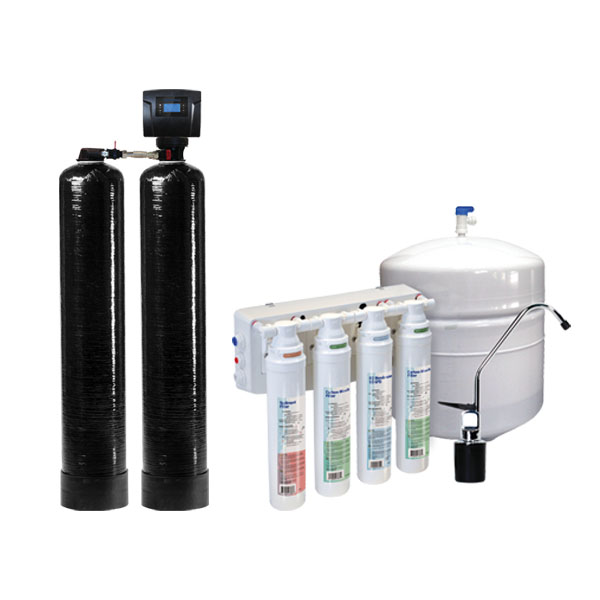
The Benefits of Water Softeners
There are many benefits to using a water softening and filtration system, including:
Healthier, Softer Skin – Removing of hard minerals will make your water more gentle on your skin
Shiny, Strong Hair – Just like your skin, hard water dries out your hair, and the minerals and ions can make it feel dull and brittle, and look damaged. The best way to get your hair looking and feeling healthy is to wash it in the right kind of water: soft water free of chemicals and damaging minerals.
Softer and Cleaner Clothes – Soft water won’t leave the mineral buildup on your clothes.
Remove Unwanted Tastes from Your Drinking Water – A water softener will help remove the things you’d rather not be drinking like fluoride, chloramine, or any other additives, natural or chemical. Instead, you turn on your tap and can drink fresh, professional-grade filtered water at any time.
Easier on Your Pipes and Appliances – Your plumbing and your appliances won’t see that scale buildup that hard water leaves behind. This will help reduce scale-related plumbing problems in the future.
Softer Water Will Save You Money – Soft water won’t leave a buildup, and will decrease the amount of calcium your hot water tank has to fight against. It will use an efficient amount of energy, and keep your hot water costs down.
If you have hard water and are interested in enjoying all the benefits of softer, cleaner water, give us a call.
Arsenic Water Filtration Services Montrose MN
Arsenic is a natural element found in rocks and soil and can quickly make its way into ground and surface water through industrial and agricultural runoff.
To effectively remove arsenic from your water, you’ll need more than just a standard carbon filter. The best water filtration system to remove arsenic from your drinking water is a Reverse Osmosis (RO) and arsenic filtration system from Riser Plumbing.
Arsenic is a known poison and should be considered extremely dangerous, even in small doses. Because arsenic is odorless and tasteless, it can go undetected and long-term exposure can serious and even deadly.The maximum acceptable level of arsenic in your drinking water as defined by the EPA is 10 parts per billion. If the concentration of arsenic in your private well exceeds or is at that level, you should take action to avoid any acute health issues that can arise from arsenic consumption.

If you’re faced with arsenic in your water, you want a hassle-free solution you can rely on to remove this deadly poison.
Effectively reduce arsenic to low or non-detectable levels, making water safe for human consumption.
Features a proprietary, catalytic filtration media capable of removing high levels of both arsenic III (arsenite) and arsenic V (arsenate).
Long lasting (typically 7 years) and requires no chemicals for regeneration.
Improves water quality by also removing low levels of other nuisance contaminants, including iron, manganese, and hydrogen sulfide (sulfur/rotten egg smell).
Exclusive 5-year APM Warranty for quick and inexpensive servicing
No batteries, no electricity backup sump pump starting at $1685 installed. A backup sump pump from Riser Plumbing does not run off your home’s electrical system, so it will be able to protect your home against water damage even if your utility power is out.
Iron & Manganese Filtration Services Minnetonka MNIn search of Iron & Manganese Filtration Services Minnetonka MN? Iron- and manganese-contaminated water can be harmful to your health and it can wreak all kinds of havoc in your household. Rid your water of these hardness minerals and protect your plumbing, appliances and clothing from scale build-up, clogging, staining, foul taste and more.
The best water filtration system to remove hardness, iron and manganese from your water combines a whole house carbon filtration system and a water softener to give you a system that doesn’t only remove iron and manganese, but prevents the buildup of limescale in your pipes, plumbing fixtures, and more.
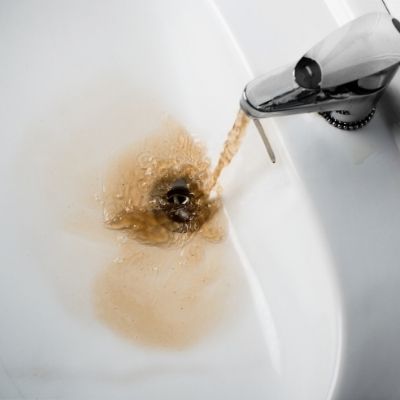
While manganese in your water can cause many of the same issues that iron does in low concentrations, in higher concentrations, over the course of years, manganese has been associated with a nervous system disease with symptoms like Parkinson’s disease. The United States Environmental Protection Agency (EPA) has set a health advisory for lifetime exposure to Manganese in drinking water of .3 PPM.
Enjoy an extra level of protection with a back up sump pump from Riser
No batteries, no electricity backup sump pump starting at $1685 installed.
A backup sump pump from Riser Plumbing does not run off your home’s electrical system, so it will be able to protect your home against water damage even if your utility power is out.