
Understanding Minnesota Water Needs
Choosing the right water treatment system can make a big difference in how efficiently a home runs. Many homeowners searching for a water softener Minneapolis solution discover that not all systems handle Minnesota’s unique water challenges the same way. Picking the wrong system may lead to mineral buildup, poor lathering, or appliances that wear out faster than expected. In cities like Minneapolis and Montrose, where groundwater naturally contains high mineral levels, understanding what’s in your water is the first step toward making a smart choice.
When comparing a carbon filter vs water softener, remember these systems serve different purposes. Water softeners address hardness from calcium and magnesium, while carbon filters improve taste and odor by reducing chlorine in treated city water and organic compounds. Minnesota’s groundwater often contains both minerals and trace contaminants, so knowing which problem you’re solving matters before investing. A one-size-fits-all approach rarely works because every home’s water composition is different.
Clear water doesn’t always mean clean or efficient water. Even if it looks fine, it may contain minerals or compounds that affect how it feels and performs in your home. Understanding these differences helps you decide whether a softener, filtration system, or both makes sense. Scheduling a professional test or learning more about clean drinking water can provide valuable insights. Consulting a professional ensures your decision fits your home’s specific water conditions.
Breaking Down Water Softeners: What Do They Actually Do?
A home water softener system Minneapolis homeowners often choose works through ion exchange. This method swaps calcium and magnesium ions—the minerals responsible for hard water—with sodium or potassium ions. The result is soft water that helps soap lather better and prevents scale buildup on faucets, showerheads, and appliances. While softeners don’t improve taste or odor, they make cleaning easier and reduce wear on plumbing and equipment.
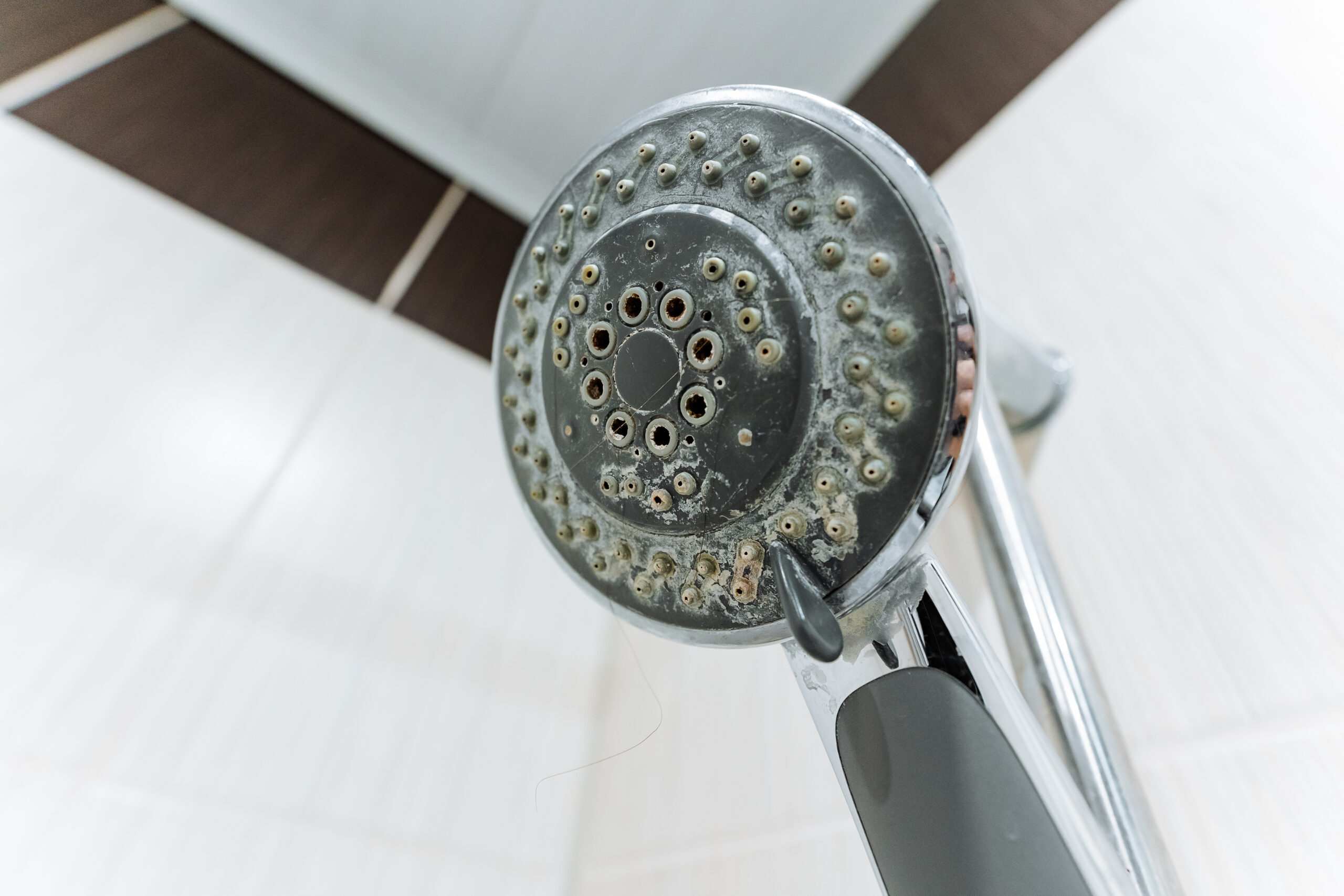
Hard water is common across Minnesota, especially in areas drawing from deep aquifers. It can leave spots on dishes, dull laundry colors, and shorten the lifespan of appliances like dishwashers and water heaters. A properly sized home water softener system in Minneapolis can help by keeping heating elements free of scale, which may improve energy efficiency and lower maintenance costs. Salt-free conditioners are not true softeners—they don’t remove hardness minerals but simply change how they behave.
Softened water also protects plumbing by reducing internal buildup that can restrict flow. This protection extends to fixtures and specialty surfaces, such as Enstone surfaces, which stay cleaner and last longer with soft water. Homeowners who invest in quality plumbing in areas like Minneapolis often find that pairing upgrades with a softening system helps maintain performance for years. Professional guidance helps you choose the right size and setup for your home.
What Carbon Filters Do Best
Carbon filters work differently from softeners. Instead of targeting hard minerals, they use activated carbon to adsorb impurities. This can drastically reduce chlorine in treated municipal water, organic compounds, and some volatile organic compounds (VOCs), thereby improving taste and odor. For homeowners frustrated by sulfur smells in well water or chlorine taste in municipal water, a carbon filter may offer a noticeable improvement. Many families find that pairing filtration with softening gives them water that tastes better and is easier to use.
Carbon filters come in two main types: point-of-use and point-of-entry. Point-of-use filters are installed under sinks or at specific faucets to treat drinking and cooking water. Point-of-entry systems treat all water entering the home, offering broad protection against unwanted tastes or odors. In areas like Montrose, where well water may contain more organic matter, whole-home systems from providers offering water filtration services in Montrose, Minnesota can make a significant difference.
While carbon filters don’t address hardness, they complement softeners well. Homes dealing with mineral buildup and odor concerns often benefit from combining both systems. The softener handles hardness minerals, while the filter reduces chlorine in municipal water and organic compounds. For households managing well-water challenges or municipal chlorine taste, solutions like those from clean water solutions can help achieve balanced results. Testing first ensures you choose the right mix for your situation.
Interesting Facts About Water Softeners and Carbon Filters in Minnesota Homes
Choosing between a water softener and a carbon filter can affect how efficiently your household runs and how enjoyable your water feels. Here are key facts that help Minnesota homeowners decide what they need.
- Many homes rely on a water softener to address hard water from calcium and magnesium, protecting plumbing and extending the lifespan of fixtures and water heaters.
- Activated carbon filters can drastically reduce chlorine in city water and organic compounds, improving taste and odor in municipal water. Systems from local filtration services are ideal for households frustrated by chlorine smells.
- Minnesota’s groundwater often contains iron and manganese, which cause staining and discoloration. Targeted filtration from iron and manganese treatment specialists helps manage these minerals.
- Softeners and filters serve different purposes, and using both can produce balanced results, especially when dealing with hardness and odor. Customized softening services paired with filtration are often the best option.
- Soft water helps protect delicate materials like Enstone surfaces by reducing mineral buildup, making cleaning easier, and maintaining the beauty of countertops and fixtures.
- Professional guidance from trusted clean water experts ensures each system fits a home’s unique needs. Since no two water supplies are the same, testing and advice help homeowners make informed decisions.
- For areas like Minneapolis and Montrose, a properly sized home water softener system can reduce appliance wear, lower maintenance costs, and improve everyday water use.
- When hardness and taste issues occur together, technicians often recommend both a carbon filter and a softener—similar to dual systems used in many Plymouth homes—for a more complete strategy.
Minnesota’s Unique Water Conditions: Know Before You Choose
Minnesota’s groundwater often contains elevated minerals and metals that influence water quality and household performance. In suburban and rural areas such as Montrose and Plymouth, naturally occurring iron and manganese are common. These elements may cause staining, cloudy water, or metallic discoloration. Before installing a filtration system designed to handle iron and manganese, homeowners should begin with a professional water test.
While hard water isn’t harmful to health, it can reduce plumbing and appliance efficiency. Over time, mineral buildup may shorten the lifespan of water heaters and washing machines. In homes where these issues are noticeable, a local plumbing expert in Plymouth can help determine whether a water softener, carbon filter, or both will best address the problem.
Each Minnesota home has unique water chemistry, so what works for one property may not work for another. Some households may require additional treatment beyond a basic softener or filter. Reviewing water system FAQs can help homeowners understand how different options interact with local groundwater before investing.
Which System Is Best for Your Situation?
Choosing between a carbon filter vs water softener depends on your home’s water source and issues. Homes connected to municipal systems often experience water with high chlorine levels, which can affect taste and odor. In these cases, a carbon filter can reduce chlorine in treated city water and organic compounds, improving overall water quality. Rural homes using private wells may face higher mineral content, making a home water softener system in Minneapolis or nearby areas more suitable for reducing hardness and preventing scale.
For households dealing with both hardness and unpleasant odors, combining systems can be most effective. A softener can manage calcium and magnesium, while a carbon filter enhances taste and removes lingering chlorine from city water or sulfur smells from some wells. This paired approach often results in cleaner plumbing lines and better appliance performance.
Because every home’s water composition varies, it’s best to confirm your needs through testing before installation. A professional assessment can determine whether you need a single system or a combination setup. To explore options, review different water filtration solutions or reach out through the contact page to discuss your situation with a local expert.
Common Mistakes When Choosing: It’s Not One-Size-Fits-All
Many homeowners choose a system before understanding their water quality. Installing the wrong unit or sizing it incorrectly can lead to inefficiency and extra maintenance. A professional water test helps identify whether hardness, chlorine in city water, or metals like iron are the main concern. Skipping this step often results in treating symptoms rather than addressing the root cause.
Another common error is assuming all systems perform the same function. A softener addresses hardness, while a carbon filter targets taste and odor concerns—especially those caused by chlorine in municipal water or certain sulfur compounds. Selecting one without considering the other may leave problems unresolved. That’s why working with professionals who understand both plumbing and water chemistry is important. Companies like Riser Plumbing design treatment plans tailored to Minnesota homes.
It’s always smart to consult a professional before purchasing equipment. Homeowners can request a free quote or schedule service with a trusted Montrose plumbing technician who understands local water conditions and can recommend an efficient setup for long-term performance.
When Should You Consider Both?
Some Minnesota homes benefit most from combining both systems—a water softener plus a carbon filter—to achieve balanced results. This dual setup works well when hardness levels are high but taste or odor issues persist due to chlorine in treated city water or sulfur compounds in well water. The softener manages mineral buildup, while the carbon filter enhances drinking quality by addressing aesthetic concerns.
Homes using well water often face multiple challenges at once, such as scaling along with metallic or earthy odors. In these cases, installing both systems ensures each issue is treated at its source. A properly configured water softener for homes in Plymouth can work alongside a carbon filtration unit to maintain consistent performance throughout the household.
If you’re unsure whether your home would benefit from both systems, consider scheduling a consultation or requesting a free quote. A professional evaluation will identify your specific needs and help you design a setup that delivers reliable results year-round.
Your Top Questions, Answered
Many Minnesota homeowners wonder whether a water softener or carbon filter is the right fit for their home. Understanding how these systems work and what they address helps you decide. Because every home’s water is different, testing and professional guidance are recommended before investing.
Does a carbon filter soften water?
No, a carbon filter does not soften water. Carbon filters adsorb impurities that affect taste and smell, such as chlorine in treated municipal water or sulfur compounds in some wells. They can make water taste cleaner but do not reduce hardness minerals like calcium or magnesium.
In homes where hardness is an issue, a water softener is the better tool. It targets minerals responsible for scale buildup, helping extend the life of plumbing and appliances. Pairing softening with carbon filtration creates a more complete solution when both mineral and odor concerns exist.
Can you use a water softener and carbon filter together?
Yes, many homeowners use both systems together. A softener removes hardness minerals, while a carbon filter improves taste and smell by reducing chlorine and organic compounds in treated city water.
In homes with both issues, installing a softener before the carbon filter helps protect the filter from mineral buildup. Many households with hard municipal water choose this setup to keep plumbing efficient and water enjoyable. If you’re unsure which combination fits your home, a plumber familiar with local conditions—such as Riser Water’s commercial plumbing services—can help find the right balance.
Will a water softener remove iron?
In some cases, a water softener may help reduce small amounts of iron, but it is not designed for full iron removal. When iron levels are high, a dedicated iron filtration system usually provides better results.
For homes with staining or metallic taste, an inspection or water test can show whether an additional filtration stage is needed. Combining a softener with an iron filter helps ensure water looks, tastes, and feels cleaner.
Is softened water safe to drink?
Yes, softened water is safe to drink for most people. The process replaces calcium and magnesium with sodium or potassium, usually in small amounts. Those on a low-sodium diet may prefer a potassium-based system or a separate drinking water solution.
Many Minneapolis-area homeowners pair their softener with a reverse osmosis unit at the sink for added peace of mind. This combination provides clean, great-tasting water while protecting appliances and fixtures. Learn more through local water purification solutions across Minnesota.
What’s better for well water in Minnesota—softener or carbon filter?
The answer depends on your specific well water makeup. Many wells contain both hardness minerals and impurities like iron or sulfur, so using both a softener and a filter often works best.
Water testing is the first step. Once you know what’s in your water, a professional can design a plan that addresses multiple concerns without over-treating. If you have a private well near Montrose or Plymouth, the Riser Water team can help identify what combination will make your water cleaner, more efficient, and easier on your plumbing.
How do I know which system is right for my home?
Every home’s water source, plumbing setup, and usage level are different. The best way to choose between a softener, a carbon filter, or both is to start with a professional water test. This shows whether your main concerns are hardness, iron, chlorine in city water, or organic compounds.
Experts who understand Minnesota’s groundwater, like those at Riser Water, can evaluate your results and recommend a plan that fits your goals. Some homes may need only one system, while others benefit from a combination that reduces hardness, removes odor, and supports better water flow.
Choosing the Right Water System for Your Minnesota Home
Every Minnesota home faces its own water challenges. Some neighborhoods in Minneapolis deal with high hardness levels, while rural areas near Montrose or Delano often experience iron, manganese, or odor issues. A local plumbing professional in Delano can help identify whether your water needs softening, filtration, or both. The key is to verify what’s in your water through testing before investing in any system.
When comparing a carbon filter vs water softener, it’s clear they serve different roles. A water softener focuses on hardness minerals that impact plumbing and appliances, while a carbon filter targets taste, odor, and chlorine in treated city water. Some households find that combining these systems creates the most balanced solution, especially when both hardness and chlorine are present. For installation and upkeep, service plumbing professionals can help keep systems running efficiently.
Choosing the right system also depends on your water source. City water may already meet safety standards, but still has residual chlorine or taste issues. Private wells often have higher mineral or iron content, which can affect fixtures and appliances. Matching the right treatment method to your specific profile prevents wasted money on the wrong equipment. Many homeowners rely on expert plumbing repair teams in Montrose to evaluate their setup and design a system tailored to their water and usage patterns.
Water treatment is never one-size-fits-all. Some families may only need a softener to reduce scaling and improve efficiency, while others prioritize better-tasting water through carbon filtration. Testing your water and consulting a specialist who understands Minnesota’s conditions ensures your investment aligns with your home’s needs and provides consistent results year-round.
Conclusion: Make an Informed Water Treatment Decision
When choosing between a carbon filter vs a water softener, the best option depends on what’s in your water and what you expect from it. A water softener may reduce hard water buildup and extend appliance life, while a carbon filter may improve taste and odor for a better drinking experience. For many Minnesota homes, combining both systems delivers the most complete solution.
Consulting a water expert ensures your system fits your water chemistry and plumbing design. Professionals can help properly size equipment, decide between point-of-entry and point-of-use treatment, and explain maintenance to ensure long-term reliability. Working with experienced plumbers in Plymouth can help you achieve cleaner, more efficient water without unnecessary expense. They can also advise if related services, such as sump pump installation and repair, would benefit your home.
Ultimately, your water should work with your home—not against it. The right system can protect your plumbing, support energy efficiency, and make daily tasks more enjoyable. If you’re ready to improve water quality, start by getting your water tested. From there, you can get a free quote on the right water treatment system for your home and receive expert advice tailored to your location, water source, and household needs. With the right plan, you can enjoy cleaner, softer, and more dependable water every day.